

Trace minerals with fulvic and humic acids
Rējen™ is all-natural and contains 70+ trace minerals, including some of the highest fulvic and humic acid content in the world.

Rējen™ helps replenish trace minerals that have been lost in our diets and now need to be supplemented. The vitamin and mineral quality of our fruits and vegetables is lower now due to depleted soils. This is important because vitamins and minerals are critical to gut health and to fundamental processes such as turning food into energy (‘metabolism’). Fulvic and humic substances come from natural sources such as soil, peat, lignite, compost and water. They are vital to producing energy in all living matter and they form over thousands of years from decomposed plant material. Rējen™ enriches our supplements with what enriches our soils, and it’s very different from all other fulvic acids in the world.
Applications

Add-to-Coffee

Add-to-Greens/Reds
Digestive Health
Hydration

Longevity Formulas

Male Support

Pre-Workout
Benefits
Human health can only be as good as the health of our agricultural soil. Because fruits and vegetables aren’t what they used to be, Rējen™ exists to supplement a healthy diet and unlock the gut health and energized life that we need and want.
Energy
Gut health
Metabolism
Organoleptics & Features
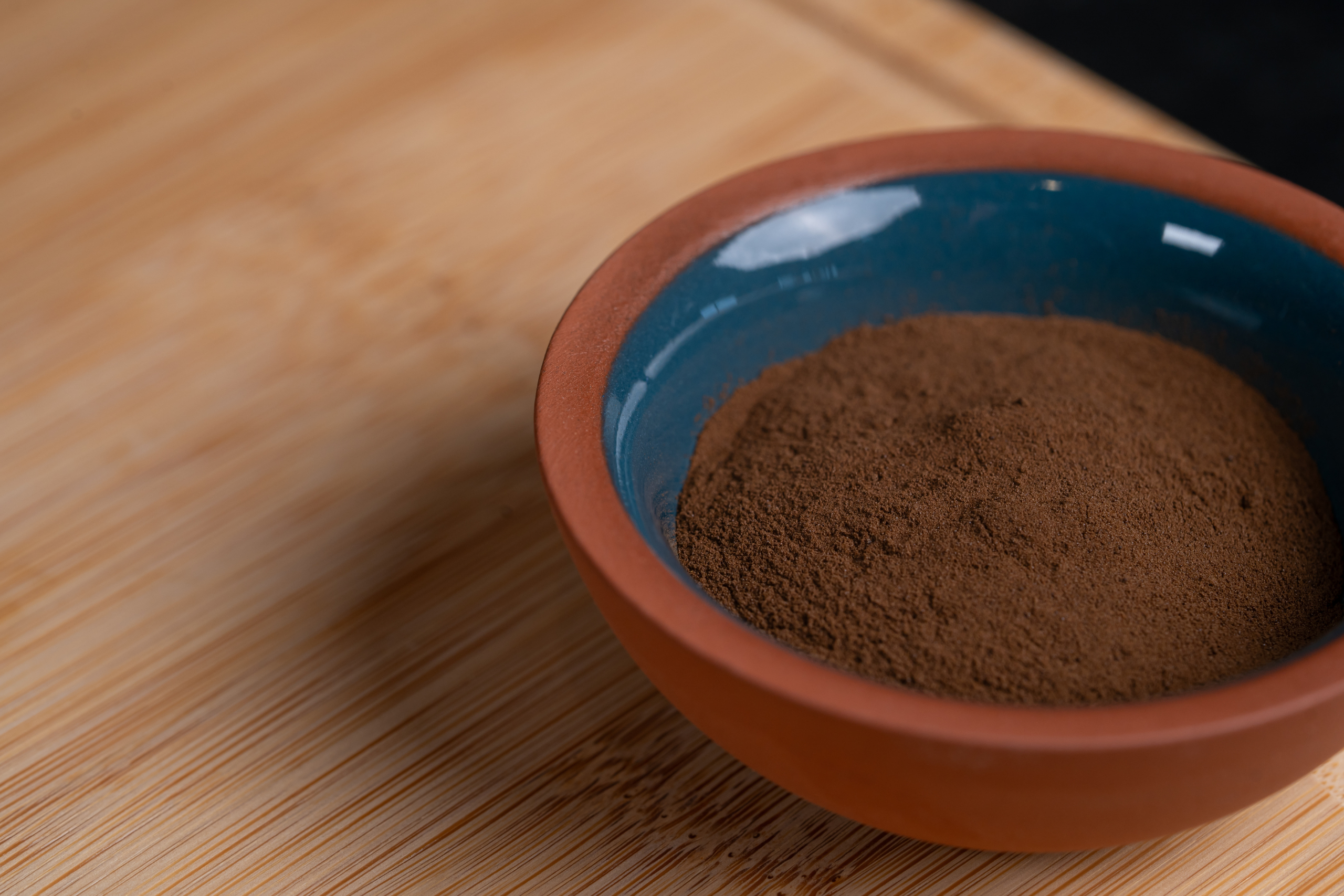
Rējen™ is not black like other fulvic/humic acids. It dissolves perfectly in water with a tea-like hue. Rējen™ is easily incorporated into products of any flavor or application.
Features
CLINICALLY STUDIED: Contact us to request in vitro studies. Human studies will complete in 2025.
HEAVY METALS: Rējen™ contains low heavy metal content, which is not always the case with shilajit and other fulvic acids.
SUSTAINABILITY: Rējen™ has almost zero carbon footprint, but conventional fulvic is carbon intensive with excavation and chemical use.
APPLICATIONS: Rējen™ can easily be incorporated into gummies, chews, capsules, tablets, powders, stick packs, gels, droppers and RTDs.
CONTENT: Higher fulvic and humic acid content than any other fulvic or shilajit we’ve tested in the world. It also contains ~70 trace-minerals.
ALL-NATURAL: Rējen™ uses zero chemicals to separate the fulvic/humic acids. Zero. The industry-standard practice is a rudimentary technique called base-acid extraction. It involves chemicals that lead to residual impurities.