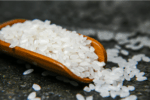
Fermentation for Reb M – How Rice Becomes Stevia-Free Reb M

In one sentence: Food-grade microbes convert rice-sourced ingredients into Reb M via fermentation, enabling stevia-free labeling with a clean, balanced sweetness curve.
Also known as: Reb M from rice-sourced ingredients; fermented Reb M; fermentation-derived Reb M; Reb M from rice
Key facts: stevia-free; zero glycemic response; batch-to-batch consistency; scalable supply
Use cases: proteins; hydration/RTDs; gummies; soft chews; functional foods
TL;DR
Fermentation produces stevia-free Reb M using rice, yielding consistent lots and a balanced sweetness curve for beverages, powders, gummies and functional foods.
What is Fermentation?
Fermentation is a modern, food‑grade process where carefully selected microbes produce a specific molecule – in this case, Reb M, known for its sugar‑like sweetness. Instead of extracting complex mixtures from plant leaves, we utilize microbes to make just what we want from a simple carbon source.
Plainly put: microbes eat carbohydrates and make Reb M. When those carbohydrates are rice‑sourced, the result is a cleaner‑tasting Reb M with fewer off‑notes.
Why Rice, and Why it Tastes Different
- Stevia leaf extraction can carry sharper, licorice‑like notes due to its mixed glycoside composition
- Sugarcane/corn can trend thinner or slightly metallic in finish
- Rice tends to yield a smoother glycoside profile, fewer bitter byproducts and a rounder, more sugar‑like taste
The outcome is a sweetness curve that builds smoothly at higher use levels, without peaking or tipping into bitterness, making it easier to scale in beverages, powders and functional foods. Essentially, the more you add, the sweeter it tastes. Practically speaking, this pathway can produce Reb M with a rounder, more sugar-like sweetness in finished products.
Where Rice-Sourced Reb M Fits
Rice-sourced, fermentation-derived Reb M is often used when brands want a smoother sweetness curve and easier scaling across beverages, powders, gummies and functional foods.
How this Differs from Leaf Extraction
Leaf extraction starts with a complex plant matrix. That means more variability, more co‑extracted compounds, and more work to reach a consistent sensory profile. Precision fermentation starts with a targeted pathway – the microbe is tasked with making Reb M directly, which supports both batch‑to‑batch consistency and a cleaner sensory outcome.
Sustainability Signals
Fermentation is compact and efficient. It can reduce reliance on large‑scale leaf cultivation and extraction, and with rice‑sourced carbohydrates, it supports predictable supply and quality.
Key Points at a Glance
- Fermentation = microbes producing a specific target molecule (Reb M) from a carbohydrate substrate
- Rice‑sourced Reb M supports a cleaner purity profile and rounder sweetness
- Result: consistent supply, stevia‑free labeling, Non‑GMO and a sweet taste profile you can use in many applications
FAQs
Is fermented Reb M the same molecule as Reb M from stevia leaves?
Yes. Reb M is Reb M – the molecule is the same. The difference is how it’s made and how that process impacts taste perception in finished products.
Why does rice matter?
Fermentation sources influence purity and byproduct profiles. Rice‑sourced carbohydrates tend to support a cleaner profile and a smoother, more sugar‑like taste.
Is fermented Reb M considered natural?
Regulatory definitions vary by region. Many markets classify fermentation‑derived Reb M as natural when produced using food‑grade processes and substrates. Confirm with your regulatory team.
What about glycemic response?
Rice-sourced Reb M provides sweetness with zero glycemic response.
If you’re interested in trying Reb M from rice in your next formula for gummies, RTDs, powders, bars, or functional beverages and foods, reach out to us at sales@compoundsolutions.com for samples and formulation support.