
Reb A vs Reb M – What’s the Difference, and Why it Matters for Taste
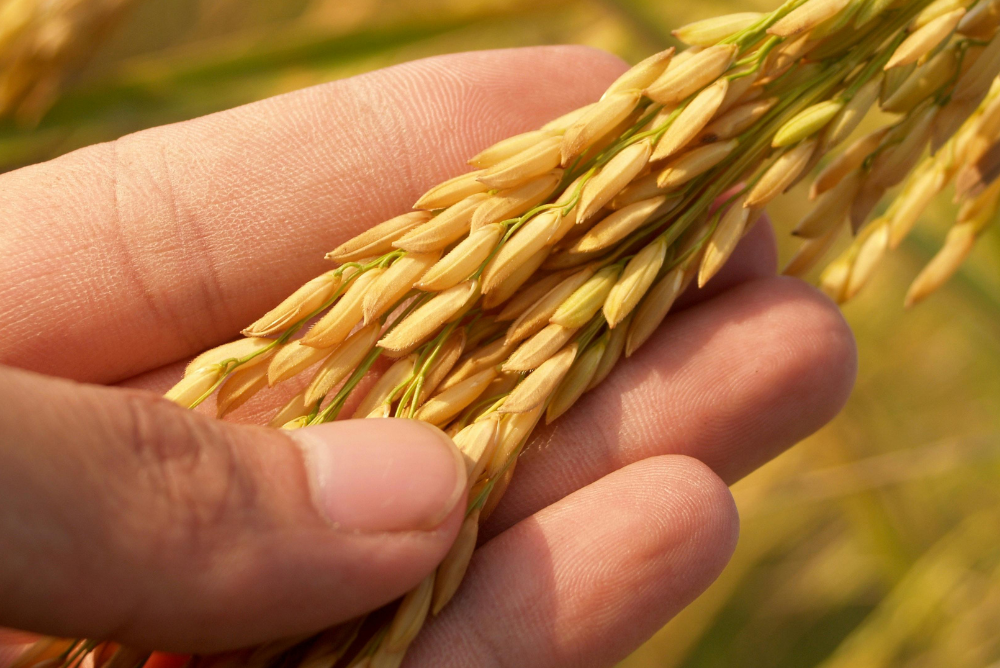
In one sentence: Reb A often reads sharper with a lingering finish, while Reb M presents a cleaner, more balanced sweetness curve, especially when produced via precision fermentation using rice-sourced ingredients.
Key facts: stevia-free options exist; different steviol glycosides; distinct sensory arcs; source/pathway affect finish; Non-GMO Project Verified example (OnoSweet®)
Use cases: proteins; hydration/RTDs; gummies; soft chews; functional foods
Learn more: see our other related blog posts like how rice-sourced Reb M is made; Why rice changes Reb M; our OnoSweet® explainer; and Going stevia free?
The Short Version
Reb A and Reb M are both steviol glycosides, but they don’t taste the same. Reb A is common and cost-efficient yet often reads sharper with a lingering aftertaste. Reb M typically delivers a cleaner, more balanced sweetness curve, especially when produced via fermentation using rice. If you want a stevia-free option with fewer off-notes, choose rice-sourced, fermented Reb M – like our OnoSweet®, which is Non-GMO Project Verified and maintains zero glycemic response.
What is Reb A?
Reb A (Rebaudioside A) is one of the most widely used steviol glycosides due to historical availability and cost. It delivers strong sweetness but can present bitter or licorice‑like notes and a lingering finish at higher use levels, particularly in protein powders, RTDs, and gummies where increased Reb A amounts amplify off‑notes and bitter tastes.
What is Reb M?
Reb M (Rebaudioside M) is a different steviol glycoside that most tasters perceive as more sugar‑like; rounder up front, cleaner mid‑palate and a softer finish. Naturally rare in the stevia leaf, Reb M today is commonly made through fermentation using non‑GMO microbe pathways and a rice‑sourced carbohydrate for consistent purity and taste.
Is Reb M the Same as Stevia?
Reb M is one of the sweet molecules associated with stevia, but it doesn’t have to come from stevia leaves. Modern production can make stevia‑free Reb M via fermentation, maintaining the same molecule while avoiding leaf‑extraction variability.
Which Tastes Better – Reb A or Reb M?
- Reb A: noticeable edge, faster onset and more risk of bitter/licorice aftertaste at scale‑up
- Reb M: smoother onset, round mid‑palate, cleaner finish and greater flexibility at higher sweetness targets
Sweetness curve overview:
Reb A often hits sharply up front, then finishes weak with a bitter tail. Reb M typically starts clean, builds steadily, and ends with a rounded, low-bitterness finish, especially when produced via fermentation using rice (like OnoSweet®) – with strong versatility in acidified drinks (hydration), non-acidified drinks (protein), gummies and soft chews.
Monk Fruit vs Rice-Sourced Reb M
Monk fruit can offer a quick sweetness pop but may fade thin. Rice‑sourced Reb M maintains body and finish closer to sugar. Many formulators choose Reb M‑forward systems for proteins, hydration, gummies and soft chews. Additionally, monk fruit can be very expensive to use in formulations, whereas rice-sourced Reb M is typically 50% the cost of monk fruit, and 2.5x sweeter than monk fruit.
Why Production Source and Pathway Matter
- Stevia‑derived Reb M can skew sharp or licorice‑like
- Cane/corn may feel thin or metallic
- Rice‑sourced tends to deliver a rounder, cleaner finish
Labeling, Positioning, and “Stevia‑Free”
Brands increasingly want “stevia‑free” on front panels while keeping a natural, zero‑calorie sweetener. Rice‑sourced Reb M lets you position stevia‑free while retaining the sugar‑like profile most consumers prefer. Our OnoSweet® is Non‑GMO Project Verified, perfect for products that need to be stevia-free and natural.
Formulation Considerations
- Protein powders – Reb M better masks whey/plant notes with less stacking of bitterness at higher active loads
- RTDs/functional coffee/teas – cleaner finish; fewer interactions with acids and botanicals that exaggerate harshness
- Gummies/confections – rounder sweetness and easier to balance with organic acids
- Scale‑up – Reb M’s cleaner curve helps avoid the “peaks‑then‑plateau” effect which means you won’t have as many challenges during the R&D process
Where OnoSweet® fits (Reb M from rice)
OnoSweet® is a natural Reb M produced via fermentation using rice‑sourced ingredients – not stevia – designed to deliver a sugar‑like profile with a clean finish. It’s stevia‑free, zero glycemic and built for scaling across powders, RTDs, gummies and functional foods. Even better, OnoSweet® is Non‑GMO Project Verified.
Key Takeaways
- Reb A and Reb M are different molecules with different sensory profiles – Reb A skews sharper and bitter; Reb M is more sugar‑like
- Production pathway matters – fermentation with rice‑sourced ingredients supports a cleaner taste and finish
- Reb M is typically the better, safer and more scalable choice for stevia-free products
- OnoSweet® (rice‑sourced Reb M) delivers sweetness without the stevia‑type aftertaste, with zero glycemic response, and Non‑GMO Project Verified assurance
FAQs
Is Reb M sweeter than Reb A?
Perceived sweetness depends on matrix and dose, but Reb M often reads more sugar-like, with a smoother build up and fewer off-notes
Can Reb A and Reb M be blended?
Yes. Some brands blend to manage cost while improving taste. Many still favor Reb M‑forward systems for cleaner finishes.
Is fermented Reb M considered natural?
Regulatory definitions vary by region. Many markets classify fermentation‑derived Reb M as natural when produced using food‑grade processes and substrates. Confirm with your regulatory team.
Does Reb M affect glycemic response?
Reb M is non‑caloric and has a zero glycemic response when used as directed.
Ready to taste the difference?
If you’re comparing Reb A and Reb M for your next product launch, request an OnoSweet® sample and run a quick flavor test! Contact us at sales@compoundsolutions.com to get samples or formulation support!