What Are Functional Beverages? They Are the Hottest Global Trend in Wellness. Here Are 2026 Market Trends and Formulation Opportunities.
By Ryan Harris, Ingredient Content Specialist, Compound Solutions
Quick Take: A functional beverage is a drink made to provide a benefit beyond water. Functional beverages deliver specific benefits like energy, hydration, gut health or focus by adding functional ingredients like caffeine, electrolytes or fiber. Most functional beverages carry little or no sugar. In 2026, the category is valued at more than $170 billion globally, and it keeps growing at a high-single-digit rate each year. What’s rare and impressive is that the functional beverage category is a global phenomenon and growing everywhere.
In one sentence: A functional beverage is any drink engineered to deliver a health or performance benefit.
Main categories: energy mostly via caffeine, hydration by using electrolytes, gut health through fiber and probiotics, beauty and glow, and the biggest of all – protein. Sugar-free sodas.
What are functional beverages?
A functional beverage is a drink formulated for a specific job. That job might be energy and focus, hydration, digestive support, beauty support or satiety, and it comes from functional ingredients added on purpose. Most functional beverages also keep sugar low or cut it entirely, which is a big part of what makes them a healthier choice; think alternative sodas like Poppi or Olipop.
The category spans ready-to-drink cans and bottles, ready-to-mix powders and stick packs and single-serve shots. It shows up in formats a shopper already recognizes: sparkling waters, protein drinks, electrolyte mixes, prebiotic sodas, functional coffees, teas and beauty waters. In 2026, some of the most recent examples in the USA are protein sodas like Clean Simple Eats and Javvy’s Protein Coffee and Refreshers. Outside the USA, Yakult is a functional beverage behemoth that sells millions of bottles daily in Japan and across the world.
The difference between a functional beverage and a regular one comes down to benefits. A regular soda is mostly sugar and made to taste good. A functional beverage is built around a benefit. A gut-health drink leans on fibers and prebiotics. An energy drink relies on caffeine and other ingredients that support energy, focus and performance like Dynamine®, TeaCrine®, theanine, Alpha-GPC and beta-alanine. A hydration drink is built around electrolytes like sodium, potassium, magnesium and calcium (think TruLabs, LMNT, Ultima, Trace Minerals, Liquid I.V. or Dry Water). But whatever the benefit, taste is king. The goal is to add a functional ingredient at an effective level while masking any off-flavor.
How big is the functional beverage market in 2026?
The functional beverage market sits in the high-$170 billions in 2026, and the major estimates all land close together. Grand View Research values global functional drinks at $178.9 billion in 2026, rising to $315.9 billion by 2033 at an 8.5% compound annual growth rate (CAGR). Fortune Business Insights puts it at $181.65 billion in 2026, reaching $372.43 billion by 2034 at 9.39%. Precedence Research ($179.26 billion) and The Business Research Company ($184.38 billion) fall in the same range. Mordor Intelligence puts 2026 at $163.84 billion, growing to $239.95 billion by 2031. Broader models that add in more adjacent categories run higher, up toward $245 billion by Coherent Market Insights. The consensus for functional beverages specifically is a high-$170s to mid-$180s billion market in 2026, growing high-single-digits a year.
Energy drinks and shots still hold the biggest single share, close to half of category revenue. However, the fastest growth is in the newer categories: gut health, hydration, beauty and protein. That is where the clearest room to build sits. A brand hunting for white space is better served developing there than adding one more entry to the crowded energy aisle. And while there isn’t enough data yet, there’s speculation that creatine and magnesium could be the next big ingredients in functional beverages.
Why are functional beverages growing so fast in 2026?
Consumers have changed what they want from a drink, and the clearest signal is in how they search and talk about beverages. Interest is moving from what a drink is toward what it does, and shoppers increasingly choose a beverage by the benefit it delivers. Searches and social interest in functional beverages have climbed sharply as consumers adopt the category’s own language – “functional beverage”.
Public trend data tells the same story. Innova Market Insights named “Beverages with Purpose” a top trend for 2026 and reports an 18% CAGR in new launches carrying hydration claims. Electrolyte interest has more than doubled since 2021 and moved out of the sports aisle into everyday use. Collagen hit record high search volume in early 2026. Prebiotic soda has roughly doubled year over year. Analysts expect the functional beverage category to clear $200 billion within the decade.
The reason underneath the numbers is a real shift in mindset. The New Consumer’s 2026 Consumer Trends research found that about a third of Americans describe themselves as being in “optimization mode,” actively making choices to improve their energy, appearance and long-term health. That is exactly the shopper functional beverages are built for. We all want a daily payoff we can feel; better energy, easier digestion, steadier mood, real hydration – all without a pile of pills or a lot of sugar. A can or a stick pack delivers that in a format that already fits the day, and social media pushes each new benefit into the mainstream fast.
What ingredients go into a functional beverage?
Caffeine, protein, magnesium, theanine, electrolytes, fiber and prebiotics are several of the most popular. A functional beverage comes to life by first identifying the form (i.e. RTD, stick pack, shot, sparkling beverage) then the consumer benefit, then the functional ingredients and finally the sweetener system that keeps it tasting good with little or no sugar on the label. The main categories break down like this:
Energy and performance
The majority of consumers want smooth, fast-onset energy without the jitter and crash, and something that keeps them focused without a hard drop later. Dynamine® (methylliberine) is a fast-onset, clean-feeling energy active that pairs well with caffeine. The clean-energy conversation usually centers on adaptogens and L-theanine, and methylliberine fits right in.
Hydration and electrolytes
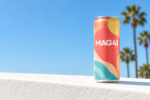
Hydration is shifting from sodium-first to a balance between sodium and potassium (think Ultima). Magnesium-forward functional beverages are becoming very popular as well. Daily hydration has overtaken the old days where high-sugar electrolyte drinks were consumed around exercise. Most new electrolyte drinks now deliver function with zero-sugar, and are not primarily consumed around exercise. Mag41™ is a patent-pending magnesium for hydration and electrolyte drinks. Mag41™ is a daytime magnesium for daily use.
Gut health and fiber
Prebiotic sodas and the fibermaxxing wave have made fiber one of the biggest beverage stories of 2026. The “catch” is that most of the fiber being used is inulin, and inulin can cause bloating and/or GI distress. KlēerFiber® is a soluble cassava fiber for gut and digestive support that goes down gentler because it doesn’t ferment in the colon like inulin does. KlēerFiber® cassava fiber can work alongside Sukré, a prebiotic sweetener, so a single drink can be sweetened and fiber-fortified at the same time. Look for ongoing innovation in this category with other ingredients such as acacia fiber and xylooligosaccharides (as iXOS™).
Beauty and glow
Beauty-from-within has moved from niche to mainstream, led by collagen and biotin in RTDs and beauty waters. A big white space opportunity/ingredient in the beauty-from-within category is Yüth®. Yüth® is a unique and patent-pending spermidine (a polyamine) for beauty-from-within and healthy-aging drinks. Yüth® works through a different mechanism from collagen and biotin.
Protein and supplement-forward drinks
The newest frontier in functional beverage is a single RTD containing both protein and fiber. GLP-1 use has pushed demand for protein through the roof. To deliver both muscle preservation and satiety in one serving, it takes both protein and fiber. Think of making a kind of Ka’Chava RTD. Several ingredients fit this functional benefit including KlēerFiber® from cassava or partially hydrolyzed guar gum (PHGG), acacia fiber, Âlteus™, a postbiotic protein or any whey proteins. And OnoSweet® is the ideal natural sweetener for a clean taste with no off-notes.
Sugar-free and stevia-free sweetening
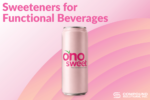
Every functional benefit above won’t matter without great taste. Taste is king; and the drink must contain little or no sugar. This is where OnoSweet® shines as the best natural sweetener. Stevia peaks in sweetness and is characterized by a bitter aftertaste. Moreover, consumers are wanting different sweeteners other than stevia. Monk fruit is extraordinarily expensive, and the licorice finish isn’t good enough alone for the best beverages in the world. The consumer is also wary of sugar alcohols like erythritol. So, what’s the best option? OnoSweet®. OnoSweet® is a patented, natural, zero-calorie sweetener made from a fermented rice source. It is stevia-free and not derived from the stevia plant. It gives clean, sugar-like sweetness with no bitterness, no lingering aftertaste and none of the bloating some sugar alcohols cause. It is roughly 250 times sweeter than sugar with zero glycemic response. OnoSweet® is about 2.5 times sweeter than monk fruit and more than 60% less expensive than monk fruit.
What formulation trade-offs matter across RTD, powder and shot formats?
Format shapes ingredient choices as much as the benefit does. RTDs win on convenience and shelf presence, but they are the least forgiving on stability and taste over a long shelf life and cost per serving. Solubility and taste masking matter a lot here, which is where a clean-tasting sweetener comes in. Powders and stick packs handle higher active loads and let the consumer control the dose, and they succeed or fail on how well everything dissolves and how the mix tastes in plain water. Shots pack everything into a small volume, so any bitterness or grit gets amplified and masking becomes the main challenge.
Taste is the constant across all three. If the taste is good, the brand will get repeat buys. If it does not taste good, then the functional benefit will not be valuable enough to overcome bad or mediocre taste. That is why OnoSweet® is vitally important, and why the sweetening system is the critical component determining success or failure.
Where is the biggest white space for functional beverage innovation in 2026 and beyond?
The clearest white space fiber drinks avoid inulin’s bloating. Creatine has taken off in powder form, and the question is whether a low dose of creatine in an RTD will sell. Magnesium is one of the best-selling supplements globally, so look for magnesium to accelerate in functional beverages. Beauty drinks with a mechanism beyond collagen – like Yüth®. And underlying all functional benefits is OnoSweet® – the patented and fermented sugar-free sweetener that is more versatile and tastes better than any other natural sweetener. The brands that win the next phase will pair a fast-growing benefit with incredible taste.
FAQ
What is a functional beverage?
A functional beverage is a drink made to deliver a specific benefit. Primary examples include, but aren’t limited to, energy and focus, digestion, beauty support or satiety, using added functional ingredients like caffeine, magnesium, protein or fiber. Most functional beverages contain zero sugar or low sugar.
How big is the functional beverage market in 2026?
Mainstream estimates put it in the high-$170 billions in 2026. Grand View Research reports $178.9 billion and Fortune Business Insights $181.65 billion, both growing at a high-single-digit CAGR toward the low-$300 billions within the decade. The category is growing globally.
What makes a beverage functional?
Intent and ingredients. A functional beverage is built around an active ingredient and delivered for a specific benefit, usually with little or no sugar.
Which functional beverage categories are growing fastest in 2026?
Gut health (fiber and prebiotic drinks), protein and potentially creatine. Clean energy drinks. Magnesium-forward hydration and beauty-from-within are also growing. All functional beverages are guided by a broad move toward low sugar or sugar-free beverages.
What is a good stevia-free sweetener for functional beverages?
OnoSweet® is a zero-calorie sweetener made from a fermented rice source that is stevia-free and not derived from the stevia plant. It provides a clean, sugar-like sweetness with no bitterness or bitter aftertaste.OnoSweet® never peaks in sweetness, so it’s the closest we’ve come to natural sucralose.
Are functional beverages just a trend?
No. The data points to a lasting shift in consumer mindset globally. Innova named “Beverages with Purpose” a top 2026 trend, and all signs point to growth in functional beverage for the foreseeable future. Most analysts expect the category to top $200 billion by 2030.
Formulating a functional beverage?
Compound Solutions has worked across the functional beverage space for years, with ingredients that span sweeteners, energy, hydration, gut health, beauty and protein. Request samples, pricing or formulation support at sales@compoundsolutions.com.
Ryan Harris writes about ingredient science and formulation at Compound Solutions, translating the information behind CSI’s patented ingredients into practical guidance for the formulators, R&D teams and brands building with them.